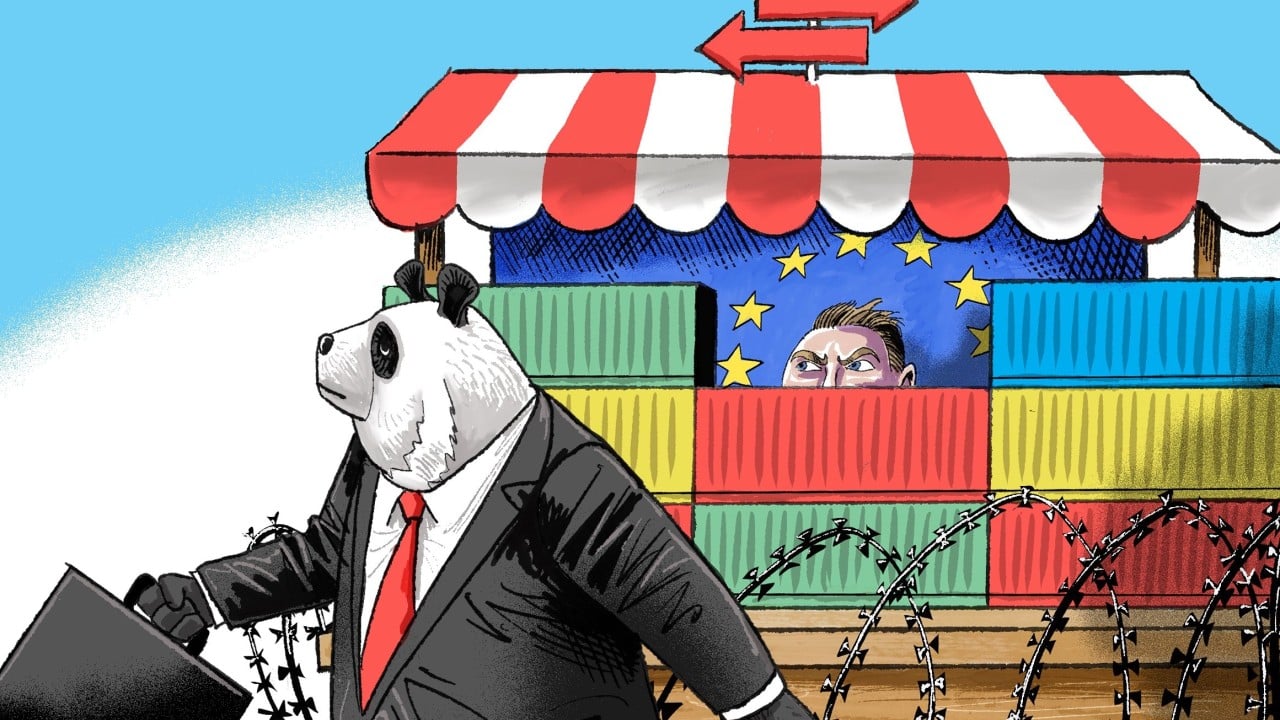
For much of the post-Cold-War era, the European Union understood economic interdependence as a source of mutual prosperity. Open markets, free trade and multilateral rules were regarded not merely as economic principles but as the foundations of European normative influence. That assumption is rapidly giving way to a different logic.
In an era of intensifying geopolitical rivalry, Brussels increasingly views trade, investment and technology as the power instruments of strategic competition.
The…