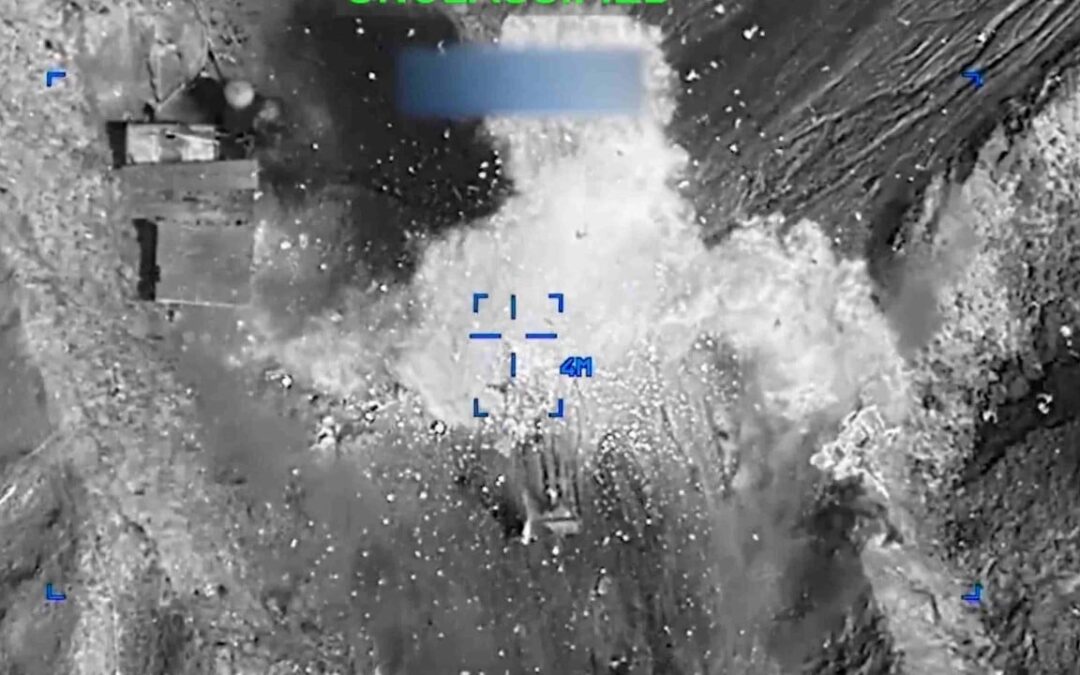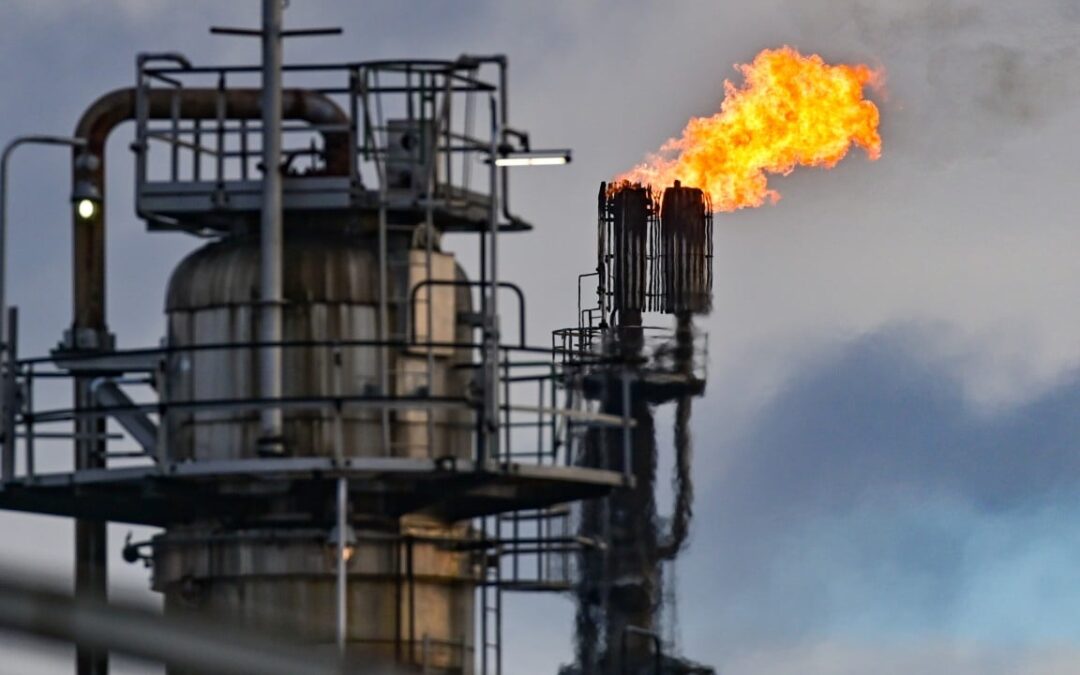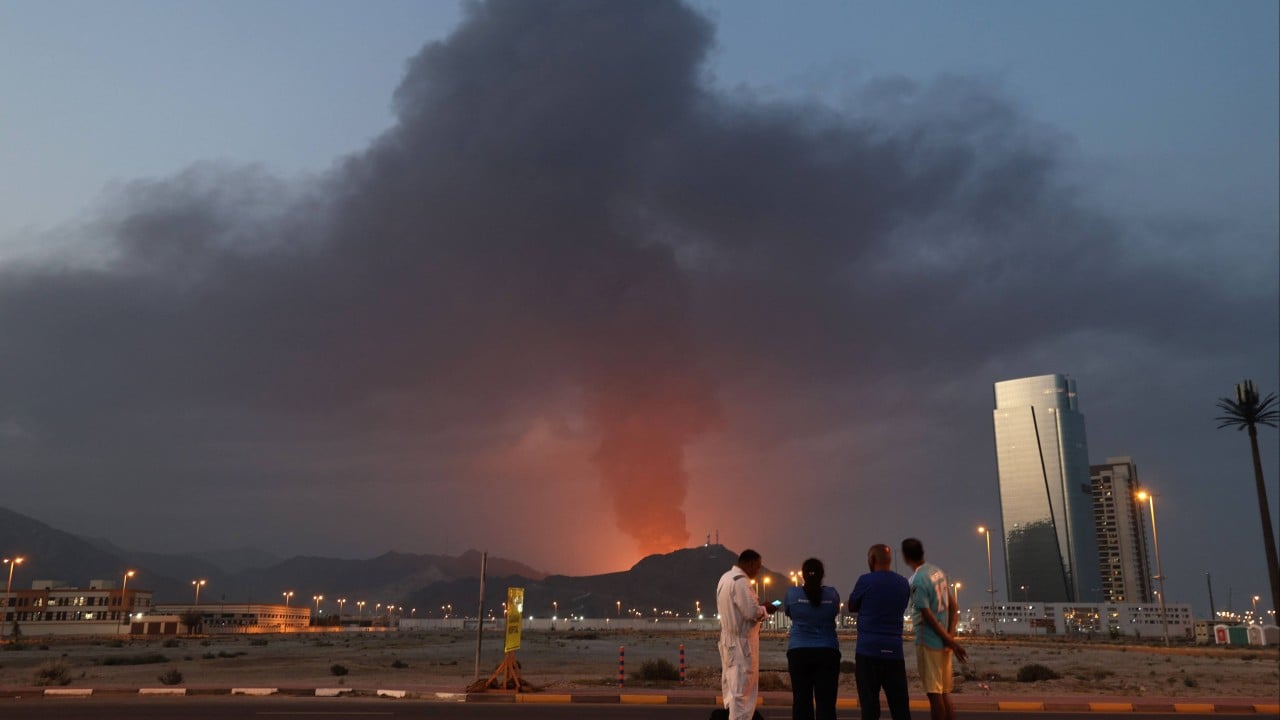
For decades, geopolitical risk in the Gulf was largely synonymous with oil. Pipelines, export terminals and processing facilities were viewed as the obvious tender spots in times of regional escalation. In an oil-reliant economy, hydrocarbons were both the engine of growth and the primary vulnerability. Risk assessments, insurance premiums and sovereign spreads were managed accordingly.
The episodic risks in the oil and gas industry led to a conventional playbook for navigating crises. Gulf…